Lighting
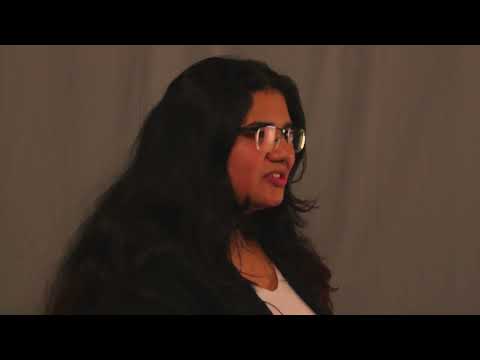
I chose to use a soft box when filming the interviews as soft boxes are often used in documentaries. Soft box lighting achieves its gentleness by diffusing the light through a screen. The inside of a soft box is lined with aluminium foil, or another alternative, to efficiently reflect the light from the bulb. By diffusing the light it gives the subject a more natural look. This can make a character appear more trustworthy as they come across as more relatable due to their normal composition. Soft boxes are often used in documentaries, specifically during interviews, as the intention of the genre is to inform others about a certain topic, not necessarily to entertain. This means the use of soft boxes minimises the cinematic style of other genres. By doing this, the documentary appears more factual and trustworthy as the style synonymous with fiction is sparsely used.
It was my intention to make the interviewees appear as trustworthy as possible, therefore, taking the connotations associated with soft boxes into account, I felt that they would be the best choice of lighting when filming my short film. Furthermore, lighting is often used to evoke certain feelings from the audience. The existing products I have taken inspiration from had their scenes bright and well lit, making the interviewees clearly visible on screen. By having a scene be bright and well lit, connotations of openness and truth are conveyed to the audience, helping them better connect with those on screen. This made it so the things my interviewees discussed during the documentary appear more factual and/or believable, making my film seem more professional.
Shot Composition
For the interviews, I had one interviewee sat behind a desk, and the other sat on a sofa. This was to give the illusion that they were in two different locations. Having the interviewee sat on a sofa gave a casual feel to the interview, making them seem more relatable to the audience. In comparison, having the other behind a desk makes them seem more factual as it gives the appearance that the interview is being filmed in a professional setting, making the interviewee appear more factual, therefore reliable. By having two differing styles of perspective, it makes the audience believe that varying opinions were considered before filming. This makes the overall findings of the documentary more believable as two different types of interviewees, professional and casual, are seen to be in agreement, validating their statements.
One thing I considered during both production and post-production was the interviewees positioning on screen. The 'rule of thirds' is a technique often used in the film industry as framing the subject on the intersecting lines is considered more pleasing to the eye. I used two cameras to capture multiple angles during the interviews. Camera one was positioned in a way that centred the subject in the frame, and Camera two was positioned the same but from a side-on angle. In editing, I adjusted the zoom and positioning of the footage captured on Camera two to place the interviewees on the left side of the screen (the left third). This technique can be seen in both existing products exampled below. I kept the footage from Camera one centred on screen as this made the shot balanced and symmetrical. I chose to do this as the symmetry forces audience attention to the centre of screen, adding emphasis to the things being said. However, centring the subject can make the shot seem flat and dull. To combat this I used the alternate angle from Camera two to offset the interviewee in line with the rule of thirds, maintaining the emphasis of the centred shots from Camera one by using the variation to prevent boredom.
 |
| Existing Product 1 - Shot Composition 1 |
 |
| Existing Product 2 - Shot Composition 1 |
 |
| My Film - Shot Composition 1 |
 |
Existing Product 1 - Shot Composition 2
|
 |
| Existing Product 2 - Shot Composition 2 |
 |
| My Film - Shot Composition 2 |



No comments:
Post a Comment